
Vulnerabilities
Microsoft's October 2026 Patch Tuesday Sets Record with 1,411 CVEs
Microsoft released a record 1,411 CVEs in October 2026, including three actively exploited zero days, driven by AI-powered scanning.
Microsoft released a record 1,411 CVEs in October 2026, including three actively exploited zero days, driven by AI-powered scanning.

CVE-2026-39919, a heap buffer overflow in Ghostscript versions 9.21 through 10.07.1, allows unauthenticated remote code execution when processing malicious PDFs, impacting systems like WordPress and Wikipedia.

Threat actor UTA0576 chained three zero-day flaws, including an unpatched privilege escalation, to achieve unauthenticated root access on fully patched Ivanti Connect Secure VPN appliances starting October 3, focusing on credential theft and network reconnaissance.

Norway's Data Protection Authority has fined Microsoft-owned advertising firm Xandr $9.6 million for unlawfully processing and sharing sensitive Grindr user data in real-time ad auctions.

A cyberattack on October 11 compromised legacy Danfoss refrigeration controllers, raising temperatures to 50°C in hundreds of French supermarkets and forcing massive food spoilage.

iVerify discovered a new P7 DarkSword variant in August 2026 that extracts keychain and cryptocurrency wallet data on the device and establishes two-way command-and-control communication.
Attackers hijacked the DNS for three country-code top-level domains to obtain 32 unauthorized HTTPS certificates for Google and other major organizations.
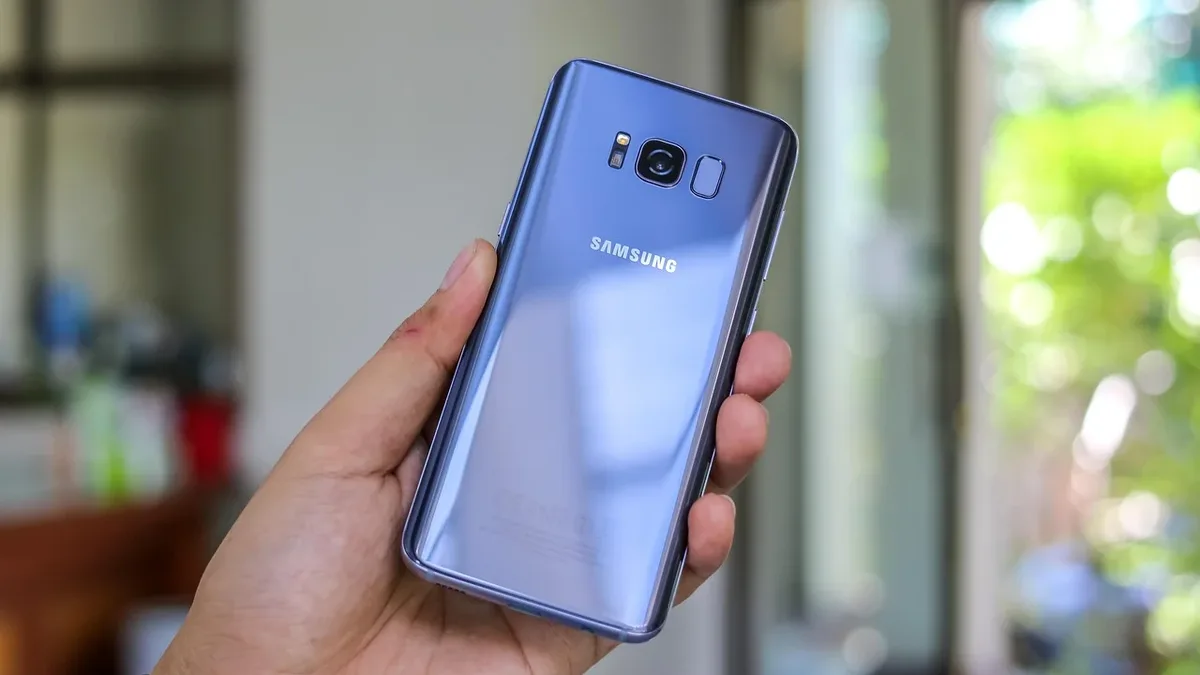
Security researchers earned $232,500 exploiting 45 zero-days on day two of Pwn2Own Ireland 2026, with Samsung's flagship phone hacked six times in 48 hours, highlighting critical vulnerabilities before patches.

The U.S. State Department is offering up to $10 million for information leading to the identification or location of Zhang Yu, charged in connection with the 2021 Microsoft Exchange Server attacks known as HAFNIUM.
Attackers hijacked three country-code top-level domains to obtain fraudulent HTTPS certificates for Google and YouTube.
Anthropic has expanded its Cyber Verification Program, offering vetted cybersecurity professionals reduced safeguards on advanced AI models like Claude Opus 5.5 for vulnerability discovery. The move follows Project Glasswing's identification of over 129,000 verified software vulnerabilities.
Actively exploited in the wild
Application Allowlisting · Application Whitelisting

Security control failure · Enterprise IT security and governance

Attacks on Managed Service Providers · MSPs and their clients

Australia · Vulnerability

Recall · CVE-2024-30051

Backup And Storage · CWE-530

Banking and real-time payment... · Social engineering, credential theft, or...
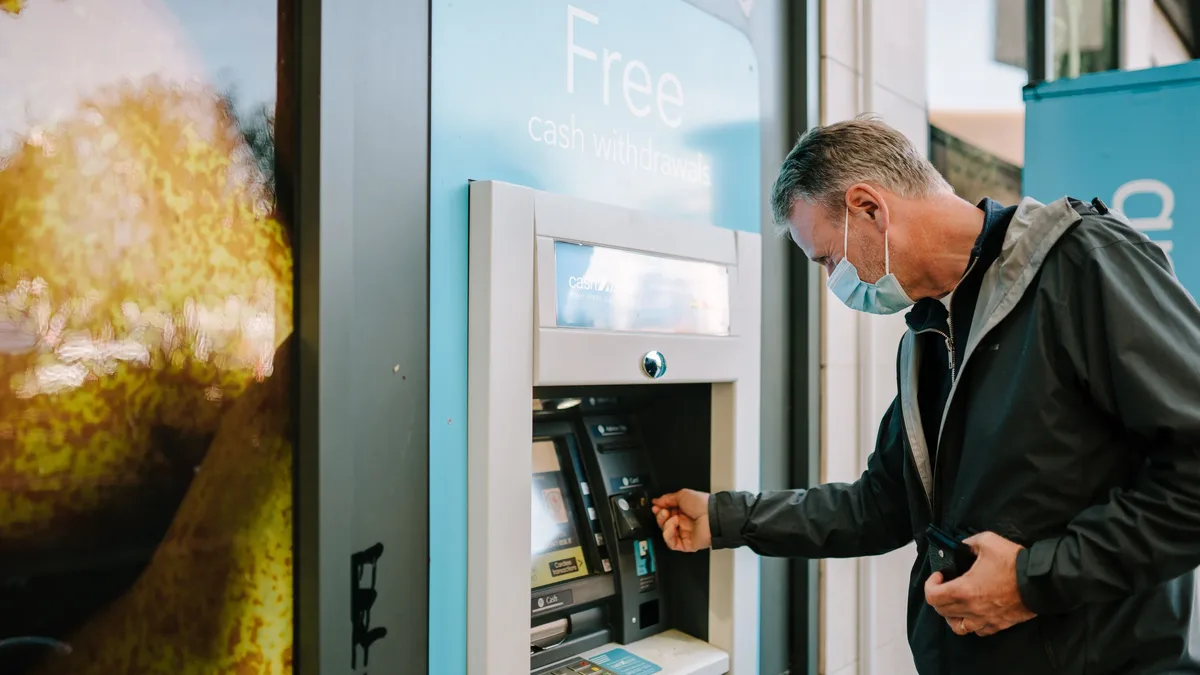
Anibal Alexander Canelon Aguirre, the first cybercriminal on the FBI's Top 10 Most Wanted list, is in U.S. custody to face charges for masterminding the Ploutus ATM malware scheme that funded the Tren de Aragua terrorist group.

LibreOffice and Apache OpenOffice contain a critical vulnerability allowing malicious spreadsheets to execute arbitrary Java code without macro warnings.
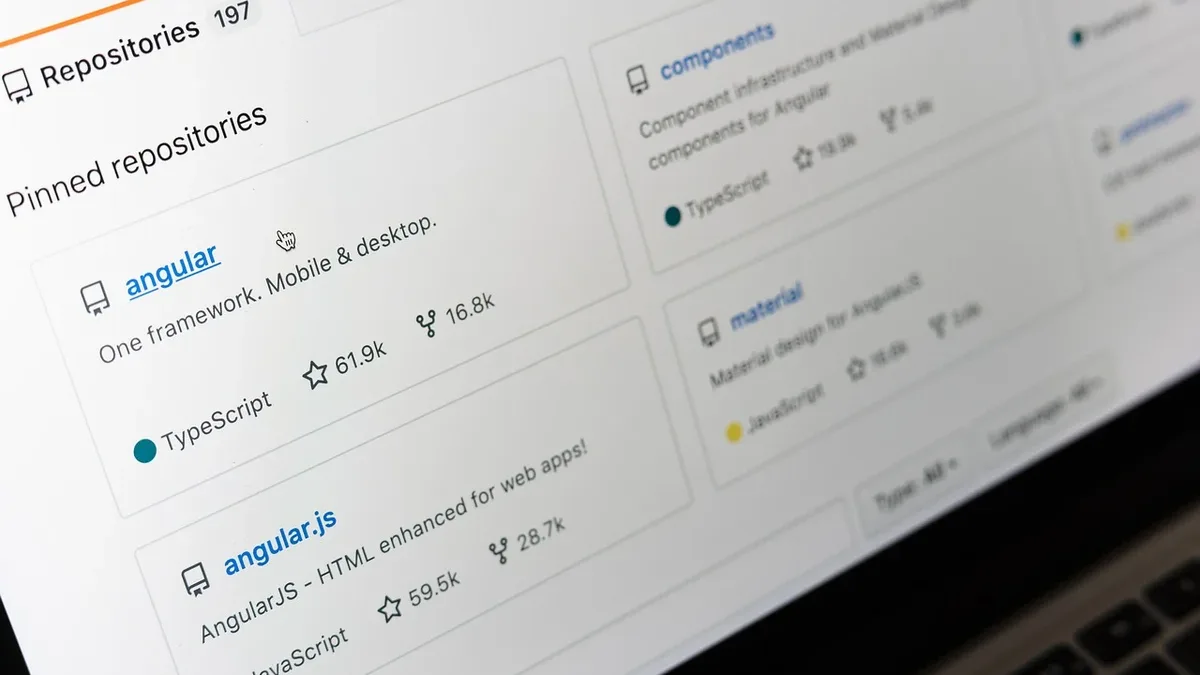
GitHub and Microsoft have released ReviewBench, an open benchmark for evaluating AI code review tools using 219 real-world pull requests.

A new Linux backdoor named ClingSTUN hijacks internet-facing IoT devices by exploiting two dozen known, unpatched vulnerabilities.
Microsoft confirms the optional September 2026 KB5124010 preview update for Windows 11 causes crashes in some games and applications that use AC-3 audio decoding.

New Ofqual data reveals the proportion of UK schools hit by cyber incidents has fallen to 27%, while two-thirds can now recover immediately from attacks.
The vulnerability or campaign, and the patch or control that stops it, with an Asian regional focus. Vulnerabilities and Threats hold the offensive side as reported, Defence holds the mitigations, Regulation & compliance covers the legal duties, and Incidents follows breaches as they are disclosed.
No. Coverage is defensive: pieces describe what has been disclosed, what is affected and what the vendor or advisory recommends, without proof of concept code or step by step exploitation.
From vendor advisories, national cyber agencies, researchers and named publications, credited and linked in each piece. Severity ratings belong to whoever assigned them, and the vendor's own advisory is the version to patch against.
Only as far as the source says. Attribution and breach scope change repeatedly in the days after disclosure, and a piece reports who claimed what rather than settling it. Attacker claims are reported as claims.
Nobody is bylined. Pieces are written with automated assistance from the source material, and the advisory or publication behind them is credited in place of an author.
As the sources publish, which for a widely exploited flaw means several pieces in a day as details change. Anything you are acting on should be checked against the current advisory rather than the summary.